Water filtration systems are essential for providing clean and safe water in homes, industries, and communities. These systems work by removing impurities, contaminants, and undesirable components from water through a variety of methods. While the primary goal is to provide potable water, filtration systems also play a significant role in improving water quality for different purposes.
The effectiveness of a water filtration system depends on several factors, including the type of filters used and the specific contaminants present in the water. Filtration can range from simple methods using cloth or charcoal to advanced systems involving multi-stage filtration units. Despite the variety of systems, they all aim to reduce the presence of harmful substances such as bacteria, viruses, salts, and chemicals.
Typically, these systems utilize a combination of physical, chemical, and biological processes to ensure water is safe for consumption. Physical filtration involves the removal of particles through barriers or screens. Chemical filtration often includes the use of activated carbon or ion exchange resins. Biological filtration might involve the breakdown of organic matter by bacteria.
The Process of Water Filtration
The filtration process generally begins with coagulation and flocculation, where chemicals are added to water to bind with contaminants, forming larger particles known as flocs. These flocs are easier to remove during the following stages. Sedimentation allows gravity to do its work as these flocs settle at the bottom of a treatment tank.
After sedimentation, water undergoes filtration through materials like sand, gravel, or charcoal to remove remaining suspended solids. This step is crucial as it eliminates smaller particles that were not settled during sedimentation. Some systems also utilize membrane filters to catch very small contaminants.
Finally, the water is disinfected to kill any remaining harmful microorganisms. Methods such as chlorination, ultraviolet light, or chlorine dioxide treatment are commonly employed. By the time water exits the filtration system, it is deemed safe for human consumption and other uses.
Types of Water Filtration Systems
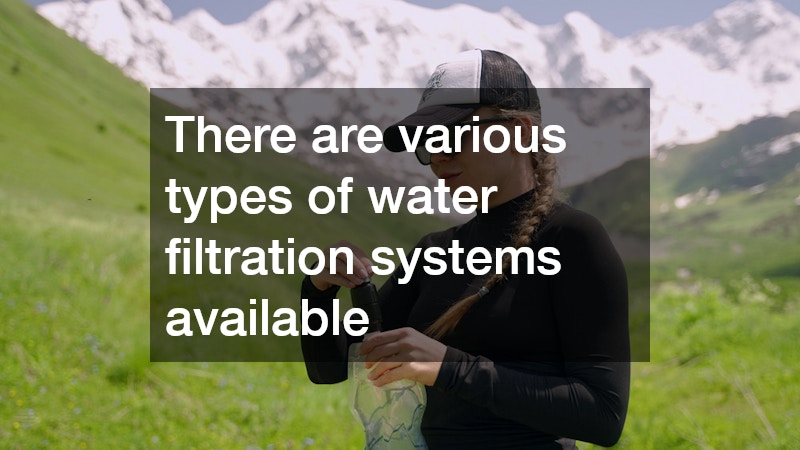
There are various types of water filtration systems available, each designed to cater to specific needs and environments. Point-of-use systems, such as countertop units and under-sink filters, are common in households for treating water directly at the consumption site. These are often utilized to improve taste and odor, and remove contaminants like chlorine and lead.
On a larger scale, point-of-entry systems treat water as it enters a building. Whole-house systems ensure that all water used in the facility is filtered, offering protection from contaminants throughout the entire property. Such systems often incorporate multiple stages to cater to various water issues.
For specialized needs, systems like reverse osmosis or UV filtration are used. Reverse osmosis is effective in removing dissolved salts and other impurities, while UV filtration is excellent at destroying bacteria and viruses. Each system type offers unique benefits depending on the specific water quality challenges being addressed.
Benefits of Using Water Filtration Systems
The primary benefit of using water filtration systems is the provision of safe, clean drinking water for households and communities. By removing harmful contaminants, these systems protect public health and reduce the risk of waterborne diseases. Improved water quality also means better-tasting water, which encourages more consumption and proper hydration.
Besides health benefits, water filtration systems can help in preserving and prolonging the lifespan of home appliances. By filtering out minerals and sediments that cause scale buildup, such systems ensure that heating elements, pipes, and fixtures function efficiently for longer periods. This reduction in scaling and corrosion leads to lower maintenance costs and fewer repairs.
Environmental benefits are also significant as filtered water reduces the reliance on bottled water, thereby decreasing plastic waste. Convenient access to high-quality tap water diminishes the need to purchase bottled alternatives, minimizing environmental impacts associated with plastic production and disposal. Thus, water filtration systems contribute to sustainability efforts in various ways.
Challenges in Water Filtration
Despite their numerous benefits, water filtration systems do face some challenges. One major issue is the need for regular maintenance, which includes filter replacement and system cleaning to ensure optimal performance. Neglecting maintenance can lead to reduced efficiency and possibly recontamination of filtered water.
Another challenge lies in the initial cost of setting up these systems. While point-of-use systems are relatively affordable, whole-house systems and specialized units like reverse osmosis can be quite expensive. Moreover, ongoing costs of replacing filters and occasional repairs add to the overall expenses.
In summary, investing in a reliable water filtration system is a prudent decision that addresses public health, economic efficiency, and environmental conservation. With the right system in place, access to clean water is not just a possibility but a reality for many.