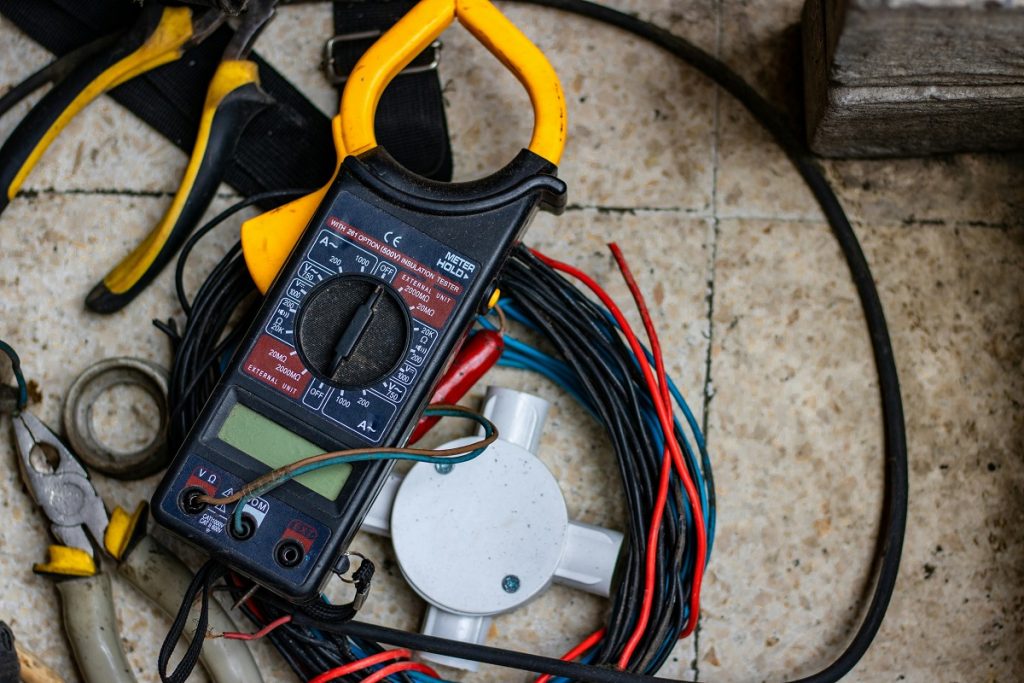
Key Takeaways:
- Electrical wiring naturally degrades over time, and older systems often cannot safely support modern household energy demands.
- Repeated electrical issues like tripping breakers, flickering lights, or frequent bulb burnouts are often signs of deeper system-wide problems rather than isolated faults.
- Visible warning signs such as burn marks on outlets, warm sockets, buzzing sounds, or mild electrical shocks should be treated as serious safety risks.
- Outdated wiring types (including aluminum wiring and two-prong outlets) can significantly increase fire risk and reduce overall electrical safety in the home.
- Many electrical problems develop silently behind walls, meaning a home can appear functional while still having hidden hazards.
- Modern households place much higher demand on electrical systems, and older setups often struggle to keep up without major upgrades.
- When multiple warning signs appear together, patch repairs are usually not enough, and a full system evaluation becomes necessary to prevent escalating hazards.
Whole home electrical systems are one of those things most homeowners rarely think about—until something goes wrong. Out of sight usually means out of mind, but electrical wiring doesn’t last forever. In older homes especially, wiring can degrade, become outdated, or simply fail to keep up with modern energy demands.
Knowing the early warning signs can help you avoid serious risks like electrical fires, appliance damage, or sudden power failures. If your home is showing multiple red flags, it may be time to consider a full electrical upgrade instead of patchwork repairs.
Below are 13 clear signs your house may need whole home rewiring before the problem becomes dangerous.
1. Outdated Electrical Wiring Systems
One of the strongest indicators that your home may need whole home rewiring is simply the age and condition of its existing wiring. Electrical systems are not designed to last forever, and older materials can degrade in ways that aren’t visible on the surface.
Homes built several decades ago may still rely on wiring systems that are no longer considered safe or efficient. These include cloth-insulated wiring, knob-and-tube systems, or early aluminum wiring that has since been phased out in modern construction.
The issue is not just age—it’s compatibility with modern electricity usage. Older wiring systems were designed for homes that used far fewer appliances and significantly lower electrical loads.
Common risks of outdated wiring include:
- Brittle or cracked insulation inside walls
- Increased risk of short circuits
- Inability to support modern appliances safely
- Higher chance of hidden electrical faults
Even if your home appears to function normally, aging wiring can deteriorate silently behind walls until it becomes a serious hazard.
2. Frequent Circuit Breaker Trips
A circuit breaker is designed to protect your home by shutting off power when a circuit is overloaded. However, frequent tripping is a sign that your electrical system is under strain.
While an occasional trip is normal, repeated interruptions suggest deeper issues such as outdated wiring or an overloaded system.
Typical causes include:
- Too many appliances sharing one circuit
- Aging wiring that cannot handle modern electrical demand
- Faulty breaker panels or poor electrical distribution
- Undersized circuits for current usage needs
Homeowners often get used to resetting breakers without addressing the underlying cause. However, this pattern usually indicates that the system is no longer adequate for the household’s needs.
3. Flickering or Dimming Lights

Lights that flicker or dim unexpectedly can point to unstable electrical flow within your home’s wiring system. This is especially noticeable when appliances such as air conditioners, microwaves, or washing machines are turned on.
This issue often stems from:
- Loose or aging wiring connections
- Overloaded circuits struggling to distribute power
- Deteriorating electrical infrastructure
- Poor original wiring design in older homes
In some cases, flickering may seem minor, but it can signal that electricity is not flowing consistently throughout your system. If multiple rooms are affected, the issue is often systemic rather than isolated.
4. Burn Marks or Scorching Around Outlets
Visible burn marks or discoloration around outlets is a serious warning sign that should never be ignored. These marks often indicate overheating or electrical arcing occurring behind the wall.
Signs to look for include:
- Dark brown or black marks around outlets
- Melted or warped plastic outlet covers
- Persistent warmth near sockets
- Cracking or brittleness around electrical fixtures
These symptoms often develop gradually as wiring deteriorates or connections loosen over time. In severe cases, this can escalate into a fire hazard if not addressed promptly.
5. Warm or Hot Electrical Outlets
Electrical outlets should always feel neutral to the touch. If they feel warm or hot, it suggests that excessive electrical resistance or overload is occurring within the circuit.
This condition may be caused by:
- Aging wiring struggling to handle electrical load
- Poor or loose internal connections
- Overuse of high-wattage appliances on a single circuit
- Faulty or deteriorating outlets
When multiple outlets across the home show this behavior, it often indicates a larger system-wide issue rather than a localized defect.
6. Lack of Grounded Outlets
Older homes often rely on two-prong outlets, which do not provide grounding protection. Modern electrical standards require three-prong grounded outlets to reduce shock risk and protect appliances.
Without proper grounding, your home may experience:
- Increased risk of electrical shock
- Higher vulnerability to power surges
- Damage to sensitive electronics
- Limited compatibility with modern devices
Upgrading outlets alone is not always sufficient if the underlying wiring system does not support grounding, which is why full rewiring may be necessary.
7. Buzzing or Crackling Electrical Sounds
Electrical systems should operate silently. Any buzzing, crackling, or humming sounds coming from outlets, switches, or walls should be taken seriously.
These noises often indicate:
- Electrical arcing behind walls
- Loose wiring connections
- Faulty switches or outdated fixtures
- Overloaded or stressed circuits
Because arcing can occur inside walls, it may go unnoticed until damage becomes significant. This makes early investigation essential for preventing long-term hazards.
8. Presence of Aluminum Wiring
Some older homes still contain aluminum wiring, which was commonly used as a cheaper alternative to copper. However, it is now widely recognized as less stable and more prone to safety issues.
Common concerns with aluminum wiring include:
- Expansion and contraction over time loosening connections
- Higher susceptibility to overheating
- Oxidation that increases resistance
- Greater risk of fire at connection points
Homes with aluminum wiring often require specialized upgrades or full rewiring to meet current safety standards.
9. Insufficient Electrical Capacity for Modern Use
Modern households use significantly more electricity than homes were originally designed to handle. From kitchen appliances to home offices and entertainment systems, the demand has increased dramatically.
Signs of insufficient capacity include:
- Frequent power drops when multiple devices run simultaneously
- Overreliance on extension cords or power strips
- Limited number of usable outlets in rooms
- Overheated switches or circuits during heavy use
If your home struggles to keep up with normal daily usage, the wiring system may no longer be adequate.
At this stage, electrical upgrades are typically considered home projects best left to the pros, since proper load calculation, panel assessment, and rewiring require licensed expertise and strict safety compliance.
10. Electrical Shocks From Fixtures or Appliances
Even small electrical shocks or tingling sensations when touching switches or appliances should not be ignored. These are often early warning signs of grounding or wiring issues.
Possible causes include:
- Faulty grounding systems
- Damaged or deteriorating insulation
- Internal wiring faults
- Improperly installed fixtures
While the sensation may seem minor, it indicates that electricity is not being safely contained or directed within the system.
11. Major Renovation or Home Expansion Plans
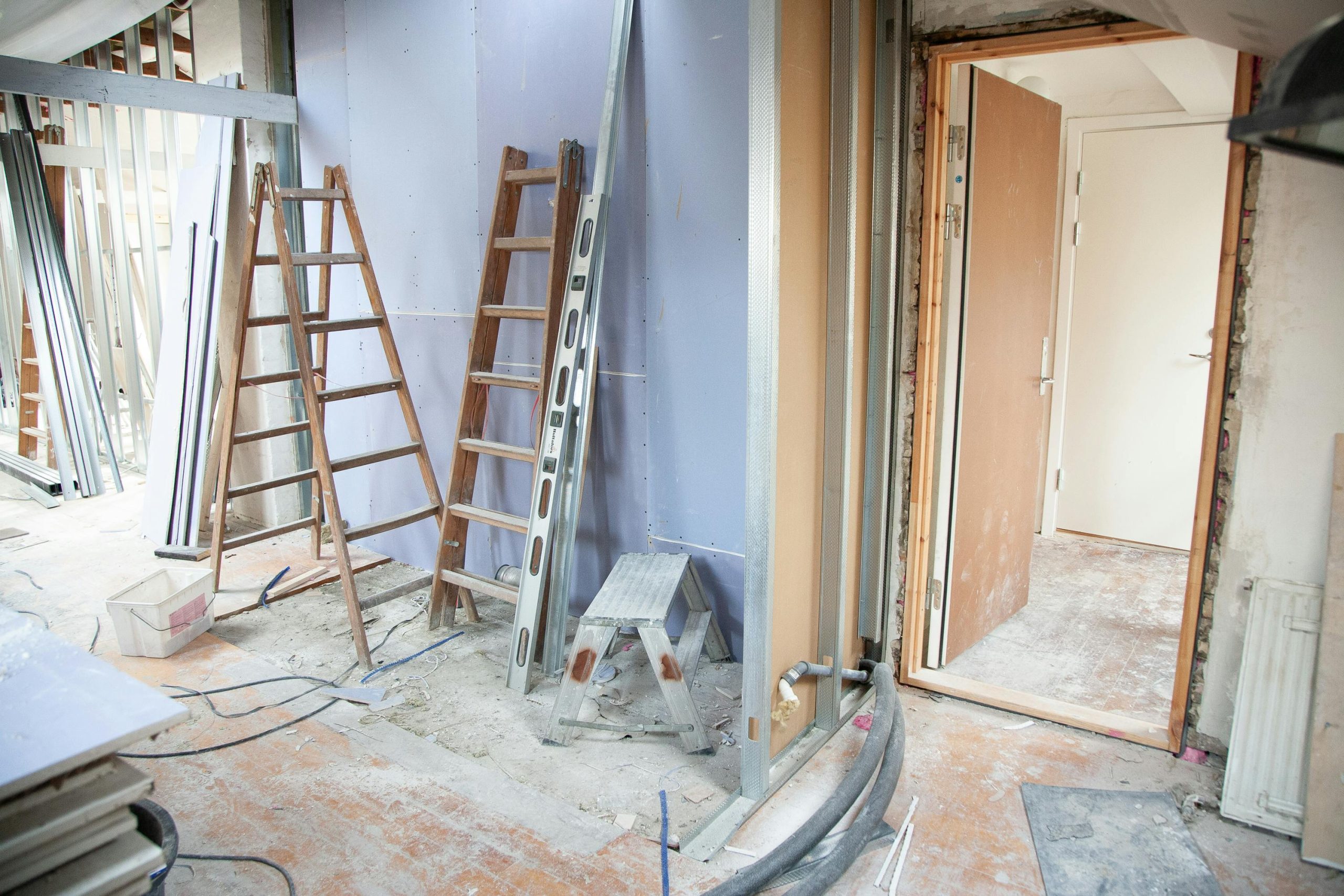
Renovation projects often expose underlying electrical limitations. When upgrading or expanding a home, the existing wiring may not support new layouts or additional electrical loads.
Common issues during renovations include:
- Insufficient circuits for new rooms or appliances
- Outdated wiring hidden behind walls
- Lack of dedicated lines for modern equipment
- Overloaded existing systems after upgrades
In many renovation cases, addressing wiring early prevents costly rework later in the project.
12. Frequent Light Bulb Burnouts
If light bulbs are burning out more frequently than expected, the issue may not be the bulbs themselves. Instead, it can indicate unstable voltage or electrical inconsistencies in the wiring system.
Contributing factors include:
- Voltage fluctuations from aging wiring
- Poor electrical connections in fixtures
- Overloaded circuits affecting power stability
- Inconsistent power delivery throughout the home
While this may seem like a minor inconvenience, it often reflects broader electrical instability.
13. Old or Undersized Electrical Panel
The electrical panel is the central hub of your home’s wiring system. If it is outdated or too small for your household’s needs, it can create ongoing electrical issues.
Warning signs include:
- Limited circuit breakers with no expansion capacity
- Frequent breaker trips under normal use
- Lack of modern safety features such as AFCI protection
- Rust, corrosion, or physical wear on the panel
An undersized or outdated panel often signals that the entire system may need upgrading to match current safety standards.
What Happens During a Whole Home Rewiring Project
Understanding what actually happens during a whole home rewiring can help reduce the uncertainty many homeowners feel before starting the process. It’s not just about replacing wires—it’s a structured, multi-step electrical upgrade that touches almost every part of the home.
Typically, electricians begin with a full assessment of your current electrical system. This includes inspecting the breaker panel, testing circuits, and identifying outdated or unsafe wiring routes. From there, a rewiring plan is created based on your home’s layout and energy needs.
A standard rewiring process often includes:
- Mapping out existing circuits and electrical loads
- Shutting off power in sections of the home during work
- Removing outdated wiring where accessible
- Installing new copper wiring and updated grounding systems
- Replacing outlets, switches, and sometimes lighting fixtures
- Upgrading or replacing the main electrical panel if needed
- Testing the entire system for safety and compliance
In many homes, especially older ones, walls may need to be opened to access wiring paths. While electricians aim to minimize disruption, some level of patching or wall repair is usually part of the overall project.
The process can take several days to weeks depending on the size of the home, accessibility of wiring, and complexity of the system.
Cost Factors and What Affects Pricing
Whole home rewiring is a significant investment, and the total cost can vary widely depending on several key factors. While there is no universal price, understanding what drives the cost can help homeowners plan more realistically. The biggest cost factors include:
Home size and layout complexity:
One of the most important cost drivers is the size and layout of the home. Larger properties naturally require more wiring, more circuits, and longer labor hours. Multi-story homes or houses with complex layouts also add additional installation challenges that can increase overall project time and cost.
Age of the property:
Another major factor is the age and condition of the existing electrical system. Older homes often contain outdated wiring materials that are harder to remove or work around. In some cases, electricians may need to carefully extract deteriorated wiring or reroute new systems through less accessible pathways, which adds to labor complexity.
Accessibility of existing wiring:
Accessibility also plays a significant role. Homes with open framing or unfinished areas are generally easier and less expensive to rewire. In contrast, homes with fully finished walls, ceilings, and flooring may require additional demolition and post-installation repairs, such as drywall patching and repainting, which increase the total project scope.
Electrical panel upgrades:
Electrical panel upgrades are another key cost consideration. If the existing panel is outdated, undersized, or not compliant with modern safety standards, it will likely need to be replaced. This upgrade is often essential for supporting increased electrical demand and ensuring the system operates safely and efficiently.
Local labor rates and permits:
Labor rates and permit requirements can also vary depending on location. Some regions have stricter electrical codes or higher inspection standards, which may require additional documentation or inspections throughout the project. These regulatory requirements can influence both timeline and cost.
Level of modernization required:
The level of modernization desired by the homeowner can affect pricing. Adding new outlets, installing dedicated circuits for high-powered appliances, or preparing the home for smart technology integration can expand the overall scope of work.
While the upfront cost may feel high, many homeowners see it as a long-term investment in safety, reliability, and property value. In many cases, combining rewiring with renovation work can also reduce total disruption and improve efficiency.
Final Thoughts
If your home shows even a few of these warning signs, it’s worth having a licensed electrician evaluate your system. Electrical issues are not something to delay or guess about, especially in older properties or heavily used homes.
While small fixes may work temporarily, widespread symptoms usually point to deeper system issues. In those cases, upgrading the entire wiring system is often the safest long-term solution.