Introduction: Understanding and Managing Your Home’s Essential Systems
A home functions as an interconnected network of mechanical, structural, and environmental systems. When everything works properly, daily life feels seamless—comfortable temperatures, clean air, reliable hot water, and safe drinking water are all taken for granted. But when even one system begins to fail, the effects can ripple throughout the entire household. A struggling cooling system can raise humidity levels, poor water quality can impact health and appliances, and neglected heating systems can create safety concerns during cold months.
What makes home systems challenging is that many issues develop gradually. Efficiency declines slowly, warning signs are subtle, and homeowners often adapt without realizing something is wrong. By the time a breakdown occurs, the repair or replacement cost is often significantly higher than it would have been with early intervention.
This guide breaks down the major systems that keep a home running efficiently, including cooling, heating, ductwork, plumbing, water treatment, and indoor air quality. The goal is to help homeowners recognize early warning signs, understand maintenance needs, and make informed decisions about repairs and upgrades. With the right approach, it is possible to extend system lifespan, reduce energy costs, and improve overall comfort and safety.
Start with a Whole-Home System Evaluation
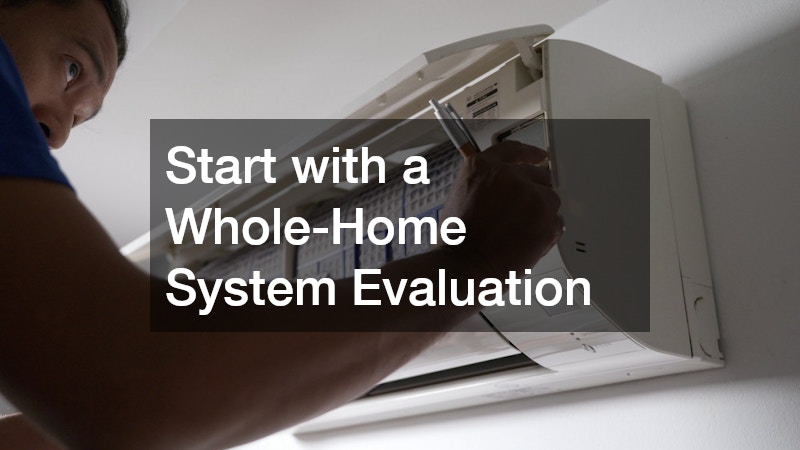
Before investing in repairs or upgrades, it is essential to understand the current condition of each major system in the home. A full evaluation provides clarity on what is functioning properly, what is beginning to fail, and what may require immediate attention.
A structured assessment should include:
- Heating and cooling performance
- Air distribution and ventilation efficiency
- Water quality and plumbing condition
- Equipment age and maintenance history
- Energy consumption patterns
Homeowners can begin with simple observations:
- Are some rooms consistently warmer or colder than others?
- Has energy usage increased without explanation?
- Are there unusual noises from mechanical systems?
- Is water pressure consistent throughout the home?
Once potential issues are identified, it becomes easier to prioritize next steps. Safety-related concerns should always come first, followed by efficiency improvements and comfort upgrades. Professional inspections can provide deeper insights, especially for hidden systems such as ductwork, plumbing lines, and HVAC components.
A well-planned evaluation prevents unnecessary spending and ensures that improvements are made in the correct order rather than reacting to emergencies.
Improve Indoor Comfort with Smart Cooling Upgrades
Cooling systems play a central role in maintaining indoor comfort, especially in warmer climates or during summer months. When a system is outdated or improperly sized, it can lead to uneven cooling, excessive humidity, and high energy bills.
Working with a qualified HVAC company ensures that system design, sizing, and installation are handled correctly from the start. Proper ac installation is not just about placing equipment—it involves load calculations, airflow design, and system balancing to ensure maximum efficiency.
Signs your cooling system may need attention include:
- Weak airflow from vents
- Warm air during cooling cycles
- Frequent system cycling
- Rising electricity bills
To improve performance and efficiency, homeowners should consider:
- Upgrading to energy-efficient models with variable-speed technology
- Ensuring proper insulation in ductwork and attic spaces
- Installing smart thermostats for better control
- Scheduling seasonal maintenance before peak usage periods
A properly installed and maintained cooling system not only improves comfort but also reduces strain on other home systems by maintaining stable humidity and temperature levels.
Enhance Air Quality and System Efficiency Through Duct Care
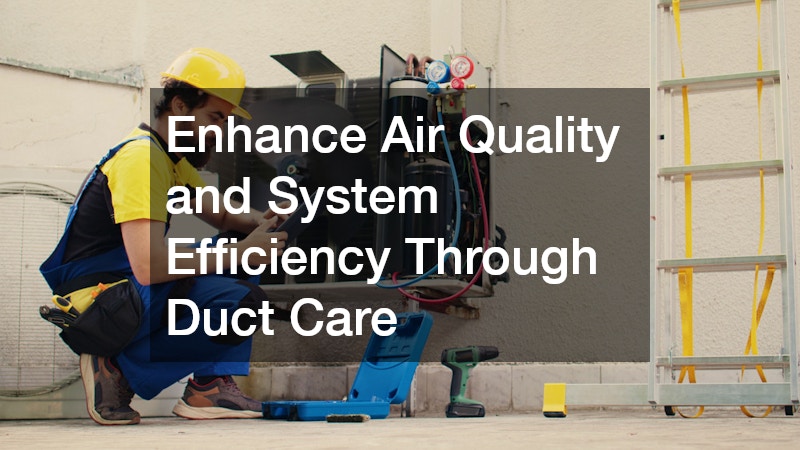
Air ducts are often overlooked, yet they play a critical role in distributing conditioned air throughout the home. Over time, dust, debris, allergens, and even mold can accumulate inside ductwork, reducing efficiency and affecting indoor air quality.
An air duct cleaning and repair company can inspect and restore airflow systems to ensure they operate efficiently. Damaged or leaking ducts can also lead to significant energy loss, as conditioned air escapes before reaching living spaces.
Common signs of duct issues include:
- Uneven airflow between rooms
- Increased dust accumulation in the home
- Musty or stale odors when HVAC runs
- Higher than expected energy bills
Maintenance and improvement strategies include:
- Professional duct cleaning every few years
- Sealing leaks to prevent air loss
- Replacing damaged or collapsed duct sections
- Ensuring proper insulation around ductwork
Clean and properly sealed ducts not only improve system efficiency but also reduce strain on heating and cooling equipment, extending overall system lifespan.
Ensure Reliable Heating Performance During Cold Seasons
A dependable heating system is essential for maintaining comfort and safety during colder months. When systems begin to fail, the symptoms often start subtly before escalating into complete breakdowns.
Heating repairs are often required when homeowners notice:
- Uneven heating across rooms
- Strange noises during operation
- Increased energy consumption
- Delayed or weak heating response
In cases where systems are aging or inefficient, furnace installation may be a more cost-effective long-term solution. Modern furnaces offer improved efficiency ratings, better airflow control, and enhanced safety features.
Key considerations when upgrading or repairing heating systems include:
- System efficiency ratings (AFUE)
- Proper sizing based on home layout
- Compatibility with existing ductwork
- Safety features such as automatic shutoff systems
Routine maintenance, including filter replacement and seasonal inspections, helps ensure reliable performance and reduces the risk of emergency failures during peak winter conditions.
Maintain Consistent Hot Water for Daily Needs
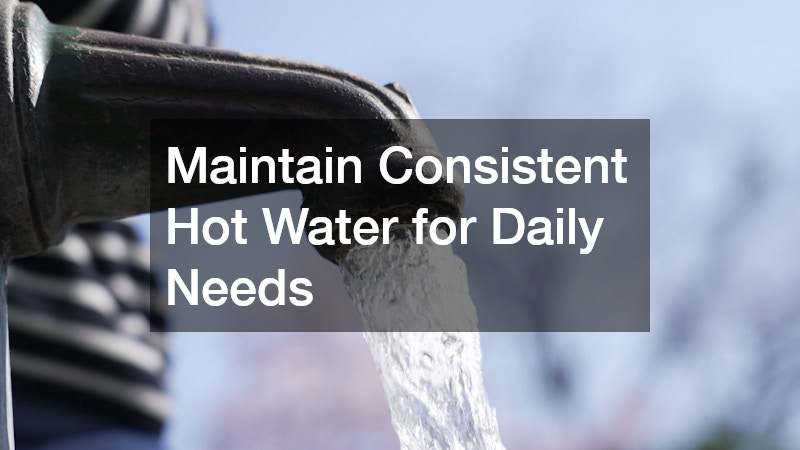
Hot water is essential for cooking, cleaning, bathing, and laundry. When water heaters begin to fail, it can significantly disrupt daily routines. Over time, sediment buildup, corrosion, and aging components reduce efficiency and reliability.
Signs that water heater replacement may be necessary include:
- Inconsistent water temperature
- Rust-colored water
- Rumbling or popping noises
- Visible leaks around the tank
Homeowners should consider whether repair or replacement is the better option. Older systems often consume more energy and provide less consistent performance, making replacement a more practical long-term solution.
When upgrading, important factors include:
- Tank vs. tankless system options
- Energy efficiency ratings
- Household hot water demand
- Installation space and requirements
Regular flushing and inspection can extend the lifespan of a water heater, but eventual replacement is inevitable as systems age.
Protect Your Home from Hidden Health Hazards
Mold growth is a serious issue that can affect both structural integrity and indoor air quality. It often develops in areas with excess moisture, such as basements, bathrooms, and poorly ventilated spaces.
A mold remediation contractor is trained to identify, contain, and remove mold safely while addressing the underlying moisture source.
Common signs of mold problems include:
- Musty odors
- Visible black, green, or white patches
- Increased allergy or respiratory symptoms
- Water stains on walls or ceilings
Effective remediation involves:
- Identifying moisture sources
- Containing affected areas
- Removing contaminated materials
- Treating surfaces to prevent regrowth
Preventative measures are equally important and include improving ventilation, fixing leaks promptly, and controlling indoor humidity levels.
Improve Water Quality for Health and Efficiency
Water quality plays a major role in both health and household system performance. Contaminants such as chlorine, sediment, and minerals can affect taste, safety, and appliance efficiency.
Water purification systems help remove impurities, while water filter systems can be installed at specific points of use or throughout the entire home.
Benefits include:
- Improved drinking water quality
- Reduced scale buildup in appliances
- Better-tasting water
- Extended lifespan of plumbing fixtures
When selecting a system, homeowners should consider:
- Type of contaminants present in local water supply
- Household water usage levels
- Maintenance requirements
- Filter replacement schedules
Regular maintenance ensures consistent performance and long-term water quality improvements.